If you’re curious about social enterprise cycling, here is the short answer: bike projects that use shop sales and repairs to fund community goals, such as teaching skills or getting people riding. You’ll see how below.
| Item | Value |
|---|---|
| Volunteer hours to earn a bike at Austin Yellow Bike Project | 18 hours within a three month period |
| Freewheelin’ Community Bikes annual budget | $214,000 |
| Freewheelin’ revenue from bike shop sales | A little more than a third |
| Children awarded bikes by Freewheelin’ | Almost 500, ages 10-18 |
| Freewheelin’ Community Bikes began | June 2007 |
These figures come from a profile of Freewheelin’ Community Bikes and the Austin Yellow Bike Project’s earn-a-bike page. They can change, so check the source before you rely on them.
What is social enterprise cycling?
Social enterprise cycling is a loose label for bike projects that earn income by selling bikes, parts or repairs, then put that income toward a community aim. One example is Lucky Bikes in Denver, which Singletracks described in October 2021 as a social enterprise bike shop that supports the community with access to transportation and bicycle education.
In that report, funding from repairs and bike sales helps pay for the Lucky to Ride program, which takes at-risk and underserved youth out on mountain bike trails. The program partners with nonprofits such as the Boys and Girls Club and Colorado UpLift, plus Denver Public Schools. It had done about 50 rides with the Boys and Girls Club alone that year, according to the same Singletracks article.
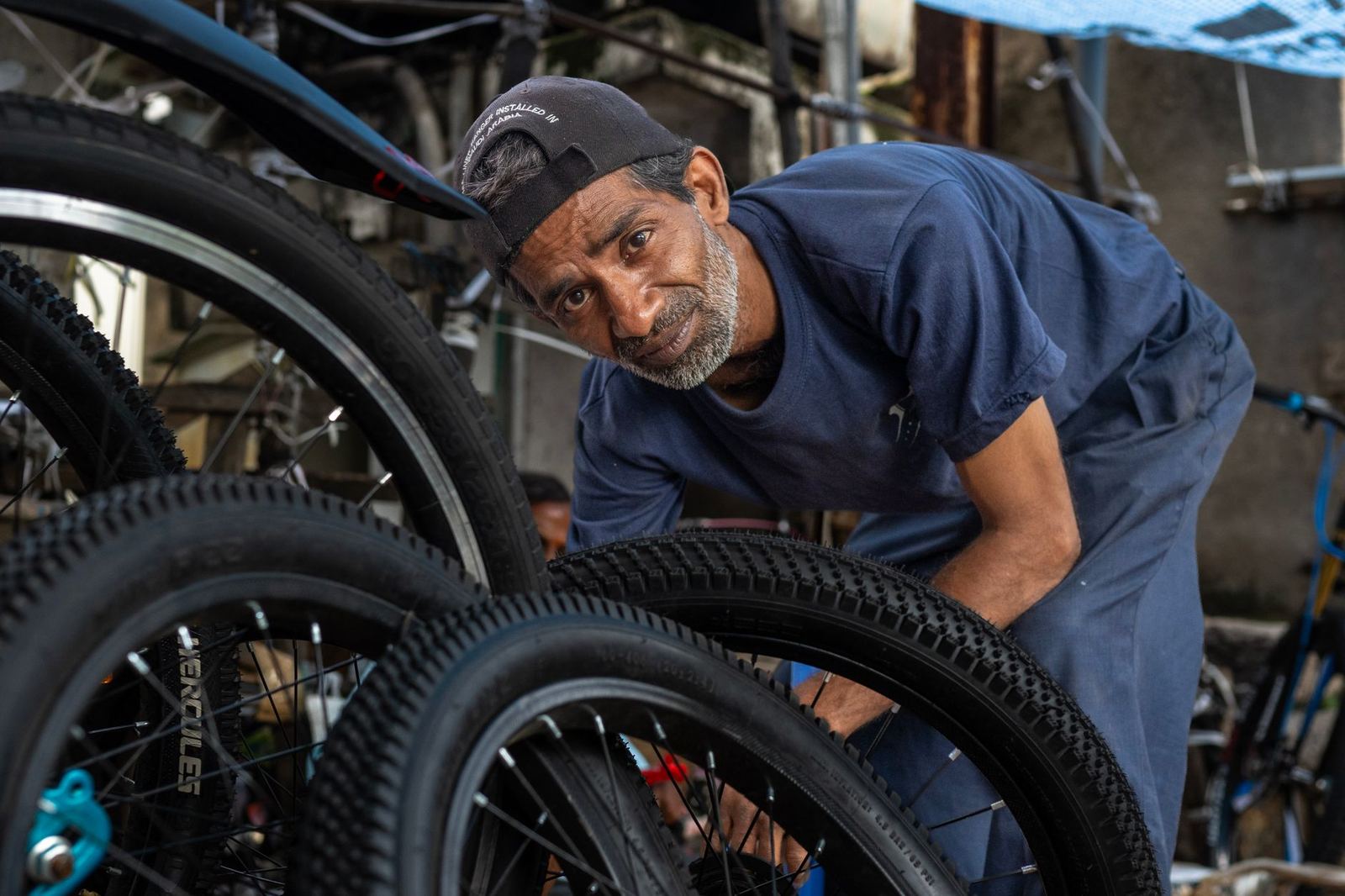
Freewheelin’ Community Bikes in Indianapolis follows a similar logic on a smaller scale. The Philanthropic Enterprise’s profile describes an earn-a-bike program for children, plus a bicycle resale shop at a storefront across the street from the church where the project began.
Across these examples, three features show up again and again:
- A trading activity, such as bike sales, repairs or a resale shop.
- A learning pathway, such as volunteering in exchange for parts, classes or paid internships.
- Partners who bring participants, such as schools and youth organisations.
The retail side has its own guide: read about the social enterprise bike shop to see how a shop and a mission can share one counter.
How does an earn-a-bike program work?
In an earn-a-bike program you put in hours or learn skills, and a bike is the reward. The Austin Yellow Bike Project describes its program as two steps:
- Volunteer 18 hours within a three month period at community workshops, by working on bikes, sorting parts or cleaning the space.
- Build your bike: you receive a pre-owned bike and keep access to the shop’s resources during workshops.
On the same page, donated parts are free to use on your earned bike, but new parts must be paid for. As of the November 2026 listing on that page, electric bicycles are not available to earn. No repair experience is necessary, though the page recommends diligence, patience and the ability to work independently.
For a fuller explainer of the model, see the guide to the earn a bike program.
Other ways programs set the terms
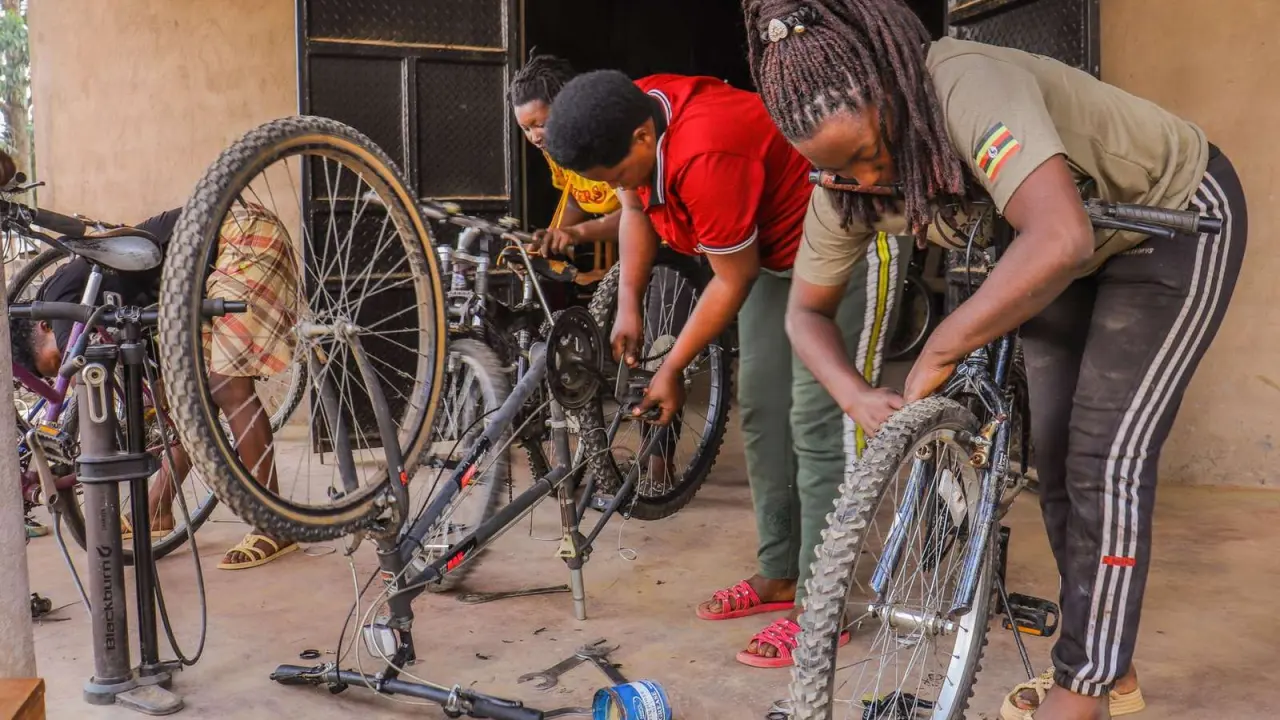
Bike Newport lets participants collect volunteer hours at Community Bike Garage sessions, and says its program has put dozens of people on quality bicycles. Sessions like these are a typical community bike workshop, where tools and guidance are shared.
Worcester Earn-a-Bike has been active since 2001, according to the Grassroots Fund listing. It is described as a non-profit community bicycle shop that teaches bicycle maintenance while letting people earn a bike from an inventory of donated bicycles.
Freewheelin’ ties the bike to a skills ladder. Per the profile, a youth must show proficiency in the basics of bike mechanics before choosing a used bike to refurbish, and the first, yellow apron is earned by showing up on time twice.
What participants can gain beyond a bike
Freewheelin’ founder Nancy Stimson says that if a kid earns a bike instead of being given one, they will take better care of it. She also says the bike is the vehicle for teaching life skills and character, as the same profile reports.
The Lucky Bikes story shows a possible career path. Fernando Ibarra volunteered and learned maintenance in the shop’s Learn to Earn program in exchange for parts, and by 2021 he was working there full time as a shop tech. A directory of youth bicycle programs from IBike describes this category as teaching cycling skills, a vocation, personal and business management and community consciousness.
Where do the bikes and parts come from?
Most of the supply is donated. Worcester Earn-a-Bike draws on an inventory of donated bicycles, and Freewheelin’ participants pick a used, often broken, bike given by people in the community, according to the profile.
At Lucky Bikes, all of the bikes sold are donated, from $75 Nishikis to $3,000 full carbon mountain bikes. Children who finish Learn to Earn receive a bike, a lock, a helmet and some tools.
The IBike directory notes that most listed organisations accept donated bikes, though some limit what they will take. If you have a bike to give, the guide to bike donation programs covers what to ask first.
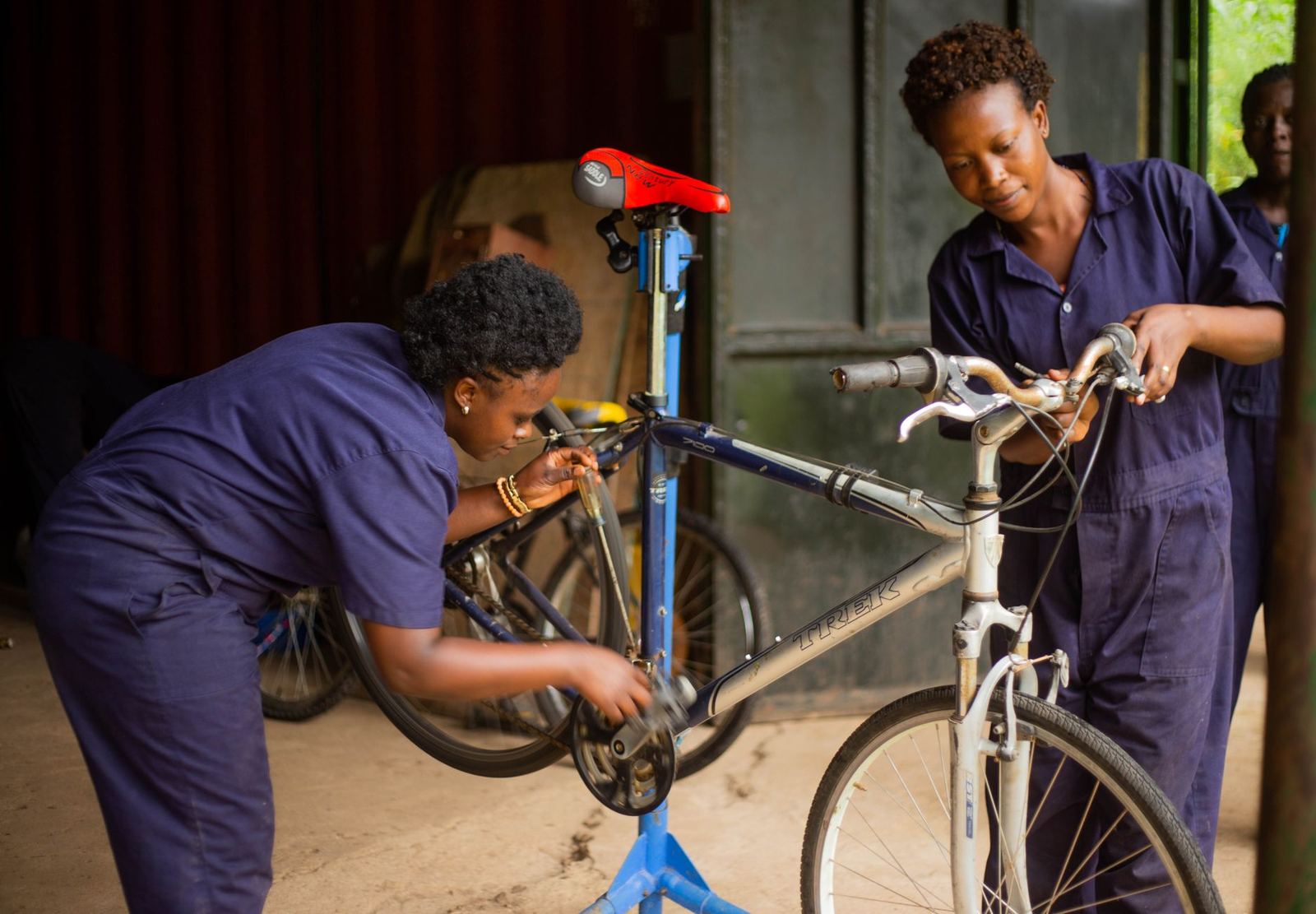
Donated bikes rarely arrive ready to ride, which is why bicycle refurbishment sits at the centre of many programs. Storage matters too: Austin Yellow Bike Project asks participants to take an earned bicycle home where they can, because its storage space is limited.
How are these projects paid for?
Freewheelin’ offers a detailed example. According to the profile, it operates on a $214,000 annual budget, and a little more than a third of revenue comes from bike shop sales. The rest comes from:
- Individual donors.
- Local foundations.
- Corporate sponsors, including a marketing company, a drycleaner, a spa and a brewery.
The same profile says not a cent comes from the government, a choice its founder explains by the hoops and reporting involved. That is one organisation’s decision, not a rule for every project.
Lucky Bikes had six people on staff in the October 2021 article, including a contracted grant writer. The same article says a high school cycling league had waived fees for a planned team, Pearl Izumi had donated shoes, apparel and custom jerseys, and Salsa was sponsoring it with bikes.
Gear gifts like these connect to the wider topic of sustainable cycling clothing. Treat the income mixes above as illustrations from two projects, not as an industry average.
Why is giving someone a bike not enough?
Community Cycling Center in Portland says barriers like cost, safety and bike storage can prevent people from accessing or using bicycles. Its community work page says it set out in 2008 to learn what it could improve in its programs.
The result was the Understanding Barriers to Bicycling Project, with a final report dated July 2012. The organisation’s conclusion on the same page: the barriers to bicycling are complex, and simply giving people bicycles is not enough.
A 2019 Clemson University thesis looked at the same question from the youth side. It was a mixed methods case study of two community bike shops, Village Wrench in Greenville, South Carolina and Trips for Kids in Charlotte, North Carolina. Youth were surveyed, directors and mentors were interviewed, and the analysis produced two main themes: freedom and empowerment.
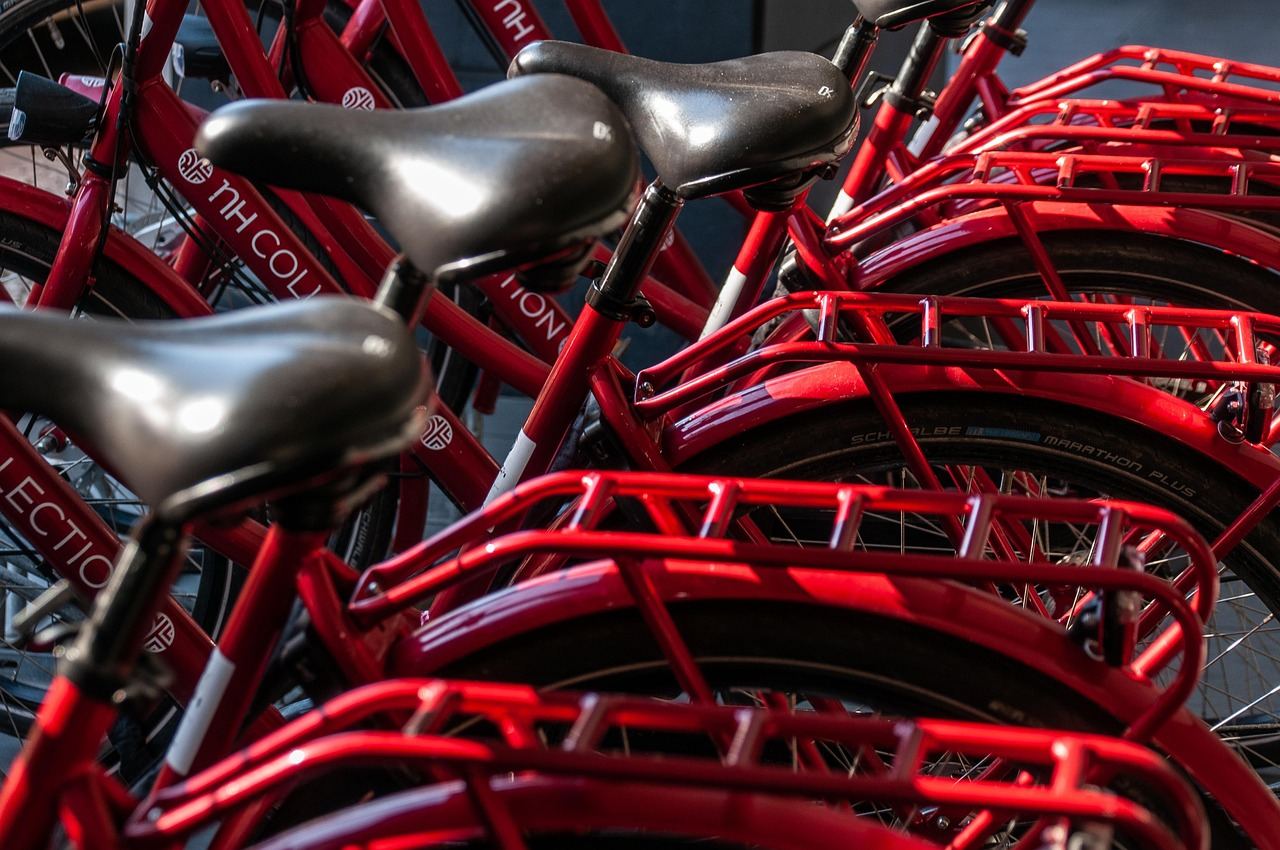
Two shops is a small sample, so read the thesis as a documented case rather than proof for every program. Safety and storage questions also reach beyond any one shop, and they connect to urban cycling mobility. Projects that work on bikes as a tool for wider aims are covered under bicycles for development.
How can you get involved or start riding?
This site is an independent editorial resource and does not run, sell or take sign-ups for any program, so start with an organisation near you. Practical first steps from the sources include:
- Checking session times: Austin lists workshops on its calendar, and Bike Newport points to Community Bike Garage hours.
- Volunteering: Lucky to Ride ride leaders are sometimes employees, sometimes paid contractors and sometimes volunteers, per Singletracks.
- Donating a bike or parts, after asking what the program accepts.
- Asking about space, tools and age rules before you commit.
Once you have a bike, two guides help. Read how to choose a commuter bike if you plan to ride to work, and keep a basic bike maintenance checklist handy to keep it running.
Frequently asked questions
Is social enterprise cycling the same as a charity bike program?
Show answer
Not always. Worcester Earn-a-Bike is described by Grassroots Fund as a non-profit community bicycle shop, and Freewheelin’ earns a little more than a third of its revenue from bike shop sales, according to its profile. Many examples combine nonprofit goals with trading income.
Do I need to know how to fix bikes first?
Show answer
At the Austin Yellow Bike Project, no bike repair experience is necessary, though diligence, patience and the ability to work independently with minimal instruction are highly recommended. Other programs set their own expectations, so ask before you go.
Can I earn an electric bike?
Show answer
As of the November 2026 listing on its earn-a-bike page, the Austin Yellow Bike Project says electric bicycles are not available to earn. Other programs may differ.
Are these programs only for children?
Show answer
Many focus on youth, but not all. Freewheelin’ awarded bikes to children ages 10-18, per its profile, and Lucky Bikes’ Learn to Earn has tracks for 2nd through 4th graders, middle schoolers and high schoolers. Austin’s page, by contrast, speaks to volunteers in general, so check each program’s rules.