
Shopping for sustainable cycling clothing can feel like decoding green claims. In short: choose durable fibres from certified or natural sources, check recycled content, and keep kit in use longer.
| Item | Value |
|---|---|
| Fabric produced worldwide in 2025 | 139 million tonnes |
| Fibre produced per person in 2025 | 17 kg |
| Fibre produced per person in 1975 | 8.3 kg |
| Polyester’s share of fabrics used in clothing | 65% |
| Textile waste produced worldwide each year | About 92 million tonnes |
| Production materials recaptured and reused in closed-loop systems | 99% |
These figures come from the Ethical Consumer fabric guide, which cites Textile Exchange, and from TRVST’s sustainable fabric guide. Figures can change as new data is published, so check the sources before you rely on them.
What makes cycling clothing sustainable?
No single label settles the question. TRVST’s guide says a sustainable fabric should be ethically sourced from sustainable materials, made with an eco-friendly process, and safe to dispose of once it reaches the end of its life. You can apply the same tests to a jersey, a pair of bib shorts or a base layer.
In practice that gives you a short list of questions to ask about any garment:
- Fibre: what is it made from, and does growing or extracting it harm the environment?
- Production: how much washing, dyeing and bleaching with synthetic chemicals is involved, and how far has the material travelled?
- People: are workers paid fair wages in a safe workplace?
- Durability and end of life: will the garment last, and can it be repaired, resold or recycled?
These sources assess fabrics in general rather than cycling kit specifically. Treat their findings as a starting point when you read a product label, not as a verdict on any one brand.

Fibres and fabrics: what the guides favour and avoid
Ethical Consumer sorts common fabrics into three groups, shown below. Its own caveat is that some people will want to avoid certain materials for other reasons, such as vegans not using wool or leather.
| Group | Fabrics listed |
|---|---|
| Most sustainable | Hemp and organic hemp, linen, organic or Fairtrade cotton, organic wool, secondhand clothing, recycled natural fibres, and closed-loop lyocell |
| Somewhat sustainable | Better Cotton Initiative (BCI) cotton, in-conversion cotton, silk, wool |
| Unsustainable | Acrylic, leather, polyester, nylon, elastane, conventional viscose, rayon, modal or bamboo, and conventional cotton |
Polyester, nylon and elastane all sit in the unsustainable group. TRVST puts the scale in context: polyester accounts for 65% of fabrics used in the clothing industry, and it is made from fossil fuel. Its suggested way around the problem is recycled fabric from polyester already in circulation, as TRVST’s guide explains.
Ethical Consumer adds a caution for any recycled item: check what the recycled content is and what it is mixed with, because recycled fibres will usually have been combined with virgin material. Our guide to a recycled polyester cycling jersey looks at that trade-off in more detail.
Wool appears in both the top and middle groups, depending on whether it is organic. Our guide to merino wool cycling clothing covers how a natural fibre fits into a riding wardrobe.
Cotton needs care too. Ethical Consumer associates it with mass pesticide use, widespread forced labour and genetic modification, and advises looking for organic, Fairtrade or recycled cotton instead. It also warns that bamboo fibres used to make viscose, rayon or modal may involve toxic chemical problems, depending on the manufacturing process. The details are in the Ethical Consumer guide.

Certifications: what the labels can tell you
Labels give you a way to check a claim you cannot verify yourself. TRVST says the Global Organic Textile Standard (GOTS) and Oeko-Tex certify clothes sewn from natural and chemical-free fabrics. It also lists EcoCert, Oeko-Tex, Cradle2Cradle and Bluesign as labels for fabric produced without endangering the environment.
On the people side, Fair Trade certification and Fair Wear approval are examples of third-party checks that a manufacturer has not infringed on anyone’s human rights. Our explainer on fair trade clothing certification sets out what such schemes involve.
A label is a prompt for questions, not the end of the research. TRVST notes that, with some research, you can start to understand the exact practices that earned a brand its certificates. Look up what a certificate covers: a fibre, a factory, a finished garment, or only part of the process.
Production methods matter as well. TRVST describes closed-loop production, which lets manufacturers recapture and reuse 99% of the production materials, as one example of an innovative process with less waste. That claim comes from TRVST’s guide, so treat it as a description of the method rather than a promise about any garment.
Ethics: who makes your kit and where
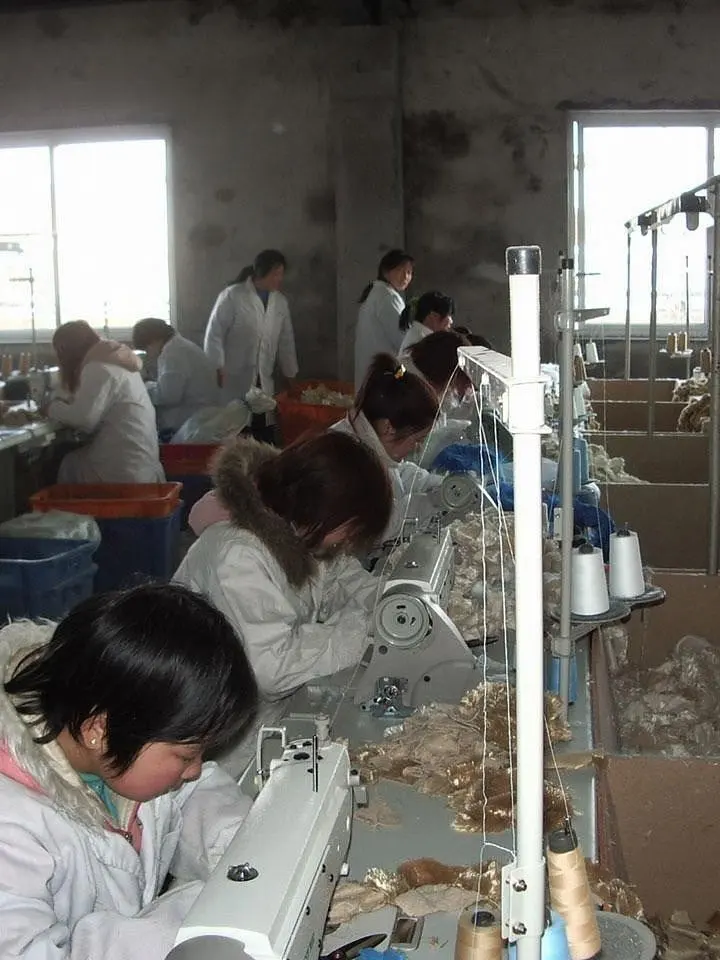
TRVST points out that many textile companies source labour from low-cost countries such as China, Bangladesh, Vietnam and Cambodia. It describes workers who sometimes must choose between unemployment and very poor conditions in garment factories. By contrast, sustainable production means fair wages and a work environment without dangers to life and health.
Distance matters too. According to TRVST, clothing made from materials transported to different locations at every stage of production has a higher carbon footprint than fabrics manufactured locally. Its advice is to search for locally made alternatives before buying imported fabrics.
If you want to understand how mission-led businesses fit in, our guide to the social enterprise clothing brand model explains the term. Our hub on social enterprise cycling covers the wider field. Neither is a substitute for checking an individual product’s materials and certificates.
Making kit last: care, repair and secondhand
The world produces about 92 million tonnes of textile waste every year, according to TRVST. It blames part of that on fast fashion’s policy of quantity over quality. The idea behind the alternative is covered in slow fashion explained.
TRVST also says sustainable fabrics tend to be more durable and made to last, which makes them easier to recycle or pass on. You can swap, resell or give clothing a new lease of life at online thrift stores. Ethical Consumer ranks secondhand clothing in its top group, though it still recommends choosing natural and more sustainable fabrics even when buying secondhand.
Several habits help a garment stay in use:
- Learn how to wash cycling clothes in a way that suits the fabric.
- Fix small faults early; our guide on how to repair cycling clothing covers common jobs.
- Read about microplastics from synthetic clothing to understand what washing means for synthetic fabrics.
- Pass on or resell kit you no longer wear rather than throwing it away.
If most of your riding is everyday travel, our overview of urban cycling mobility puts clothing choices in that wider context.

A practical buying checklist
Use this order of questions when you compare garments:
- Read the fibre content, and check what any recycled fibre is blended with.
- Look for a recognised certificate, then check what it actually covers.
- Find out where and under what conditions the garment was made.
- Choose kit that is durable and can be repaired.
- Consider secondhand before buying new, and plan to resell or pass on what you outgrow.
No garment will score perfectly on every test. The sources agree that sustainability depends on a range of factors, from carbon footprint and toxic chemical use to workers’ and animal rights, so decide which matter most to you.
Frequently asked questions
Is recycled polyester a sustainable choice?
Show answer
The sources differ. TRVST suggests recycled polyester as a way around fossil-fuel dependence, while Ethical Consumer lists polyester among its unsustainable fabrics and says recycled fibres are usually combined with virgin material. Check the recycled content and what it is mixed with.
Is wool better than synthetic fabric?
Show answer
Ethical Consumer places organic wool in its most sustainable group and wool in its middle group, while acrylic, polyester, nylon and elastane are in the unsustainable group. Some people avoid wool for animal-rights reasons, as the guide acknowledges.
Does a certification guarantee ethical clothing?
Show answer
Not by itself. TRVST describes certificates such as Fair Trade and Fair Wear as third-party checks, but also advises looking into the practices behind them. Read what the certificate covers.
What should I do with kit I no longer wear?
Show answer
Keep it in use if you can: a small repair, a swap with another rider or a resale all delay the point where a garment becomes waste. Throwing it away should be the last option.