Wondering whether bicycles for development really change anything? They can: charities ship donated and locally assembled bikes to people who walk long distances to school, clinics and work, and train mechanics to keep them running.
This page sits within the wider topic of social enterprise cycling, where bikes, repair work and trading serve a social purpose. It is an independent guide and is not affiliated with any charity mentioned.
| Item | Value |
|---|---|
| Re-Cycle bikes sent to countries across Africa | Over 130,000 bikes over the past 25 years |
| World Bicycle Relief milestone | 500,000th bicycle delivered; founded in 2005 |
| World Bicycle Relief reach | 20 countries across Africa, Asia and Latin America in the last 15 years |
| Local bicycle mechanics trained by World Bicycle Relief | More than 2300 |
| Former BTN BikeShare bikes donated to Re-Cycle | Up to 380 (announced 28 February 2023) |
The figures come from a Brighton & Hove City Council announcement and a UCI report on World Bicycle Relief. Totals change as programmes grow, so check the source before you rely on them.
How do charities ship bikes abroad?
Most schemes follow a similar pattern. Re-Cycle says it collects quality bicycles that would otherwise go to waste in the UK and redistributes them where they can make the biggest difference, according to its own description of its work.
Brighton & Hove City Council’s February 2023 announcement describes the route a bike takes:
- Every bike received is checked.
- If suitable, it is prepped and loaded onto a shipping container.
- The container is sent to a local partner.
- Once received, bikes are rebuilt and distributed in the local community, either through partner programmes or sold.
The same council page says Re-Cycle has sent over 130,000 bikes to countries such as Ghana, The Gambia, South Africa and Zambia over the past 25 years. That makes the container model a long-running one.
In the US, Bikes for the World works in a similar way. It donates containers of used bicycles and parts to select organizations, particularly in Africa, Central America and South Asia, where partners use them to train disadvantaged youth in bike mechanics, connect farmers to markets and support small-scale entrepreneurship.
What does a bicycle change for the people who get one?
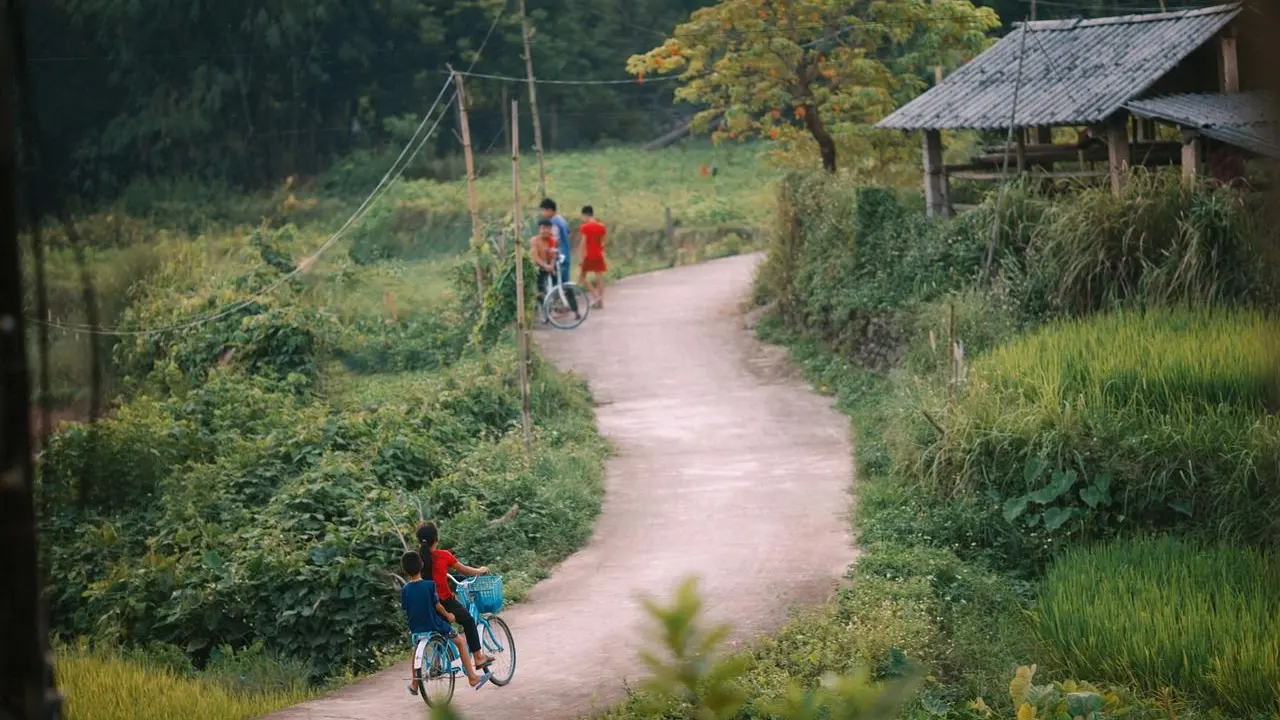
The common problem is distance. Re-Cycle describes Abena in Ghana, whose journey to school meant a three-hour walk each day before she received a bike.
A UCI report tells a similar story from rural Kenya. A student who lives 5km from school had walked the whole way and said she was arriving late; the bike lets her get there and home earlier.
Re-Cycle says a bicycle opens access to three areas of life:
- Education: students can reach school regularly, safely and with less physical strain.
- Healthcare: people can travel to clinics, and health workers can reach more remote communities.
- Jobs and livelihoods: people can reach work, farms and local markets more easily.
Cycling UK’s feature on western Tanzania shows the working side. It reports that over 95% of Tanzanians use firewood or charcoal for cooking, and one charcoal seller says the ride back to town takes about five hours. He makes 7,000 to 8,000 shillings profit on a sack, about £3.50.
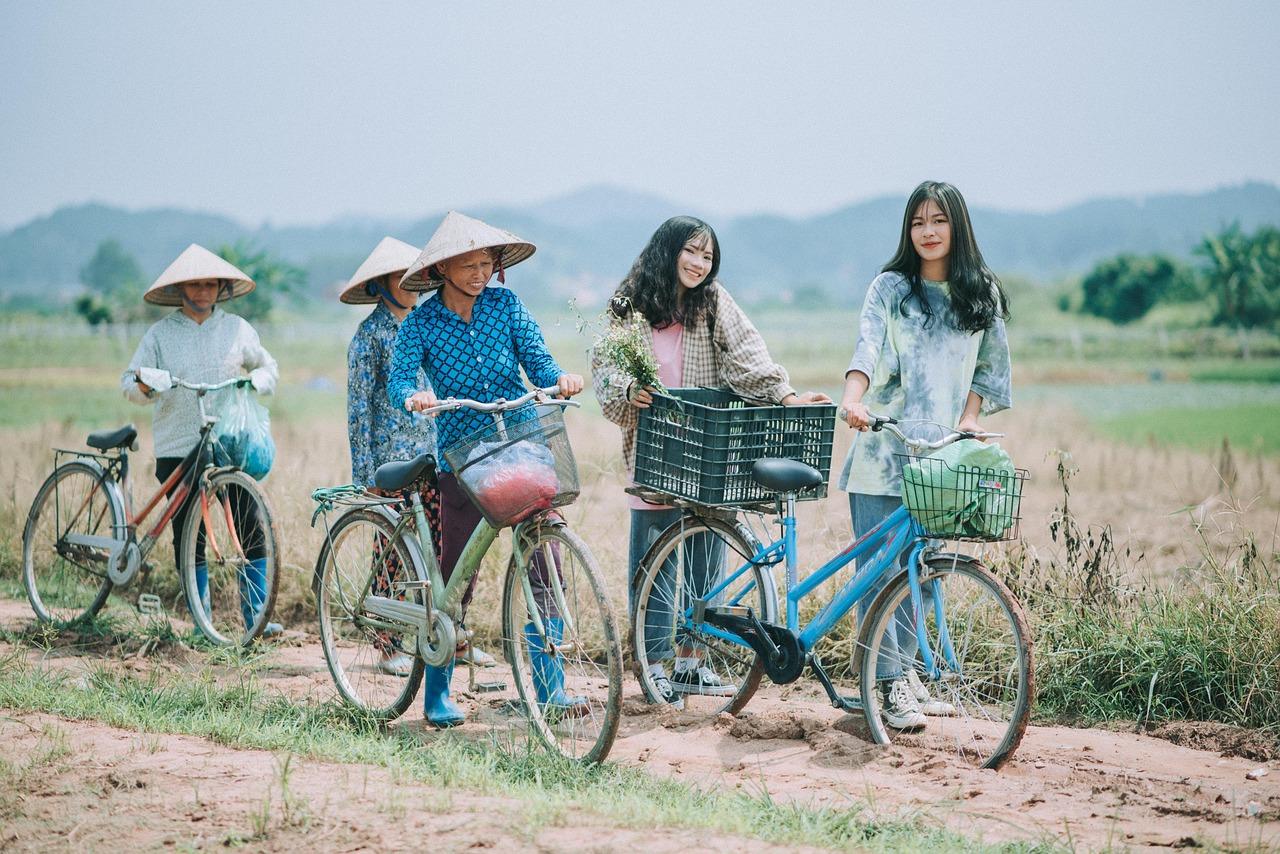
Donated bikes, locally assembled bikes and study-to-own
Not every programme ships second-hand bikes. World Bicycle Relief distributes locally assembled bicycles that it describes as rugged and long-lasting, to students, health service providers and small-business owners, the UCI report says.
Its education programme uses a “study-to-own” agreement, and the student owns the bicycle on successfully graduating from school. A related idea of ownership earned through effort sits behind the earn a bike program model.
Donated bikes are one part of a wider supply. The Cycling UK feature notes that many bikes in western Tanzania are roadsters made in China or India, and some are secondhand machines shipped by charities from Britain.
Mechanics and spare parts keep bikes rolling
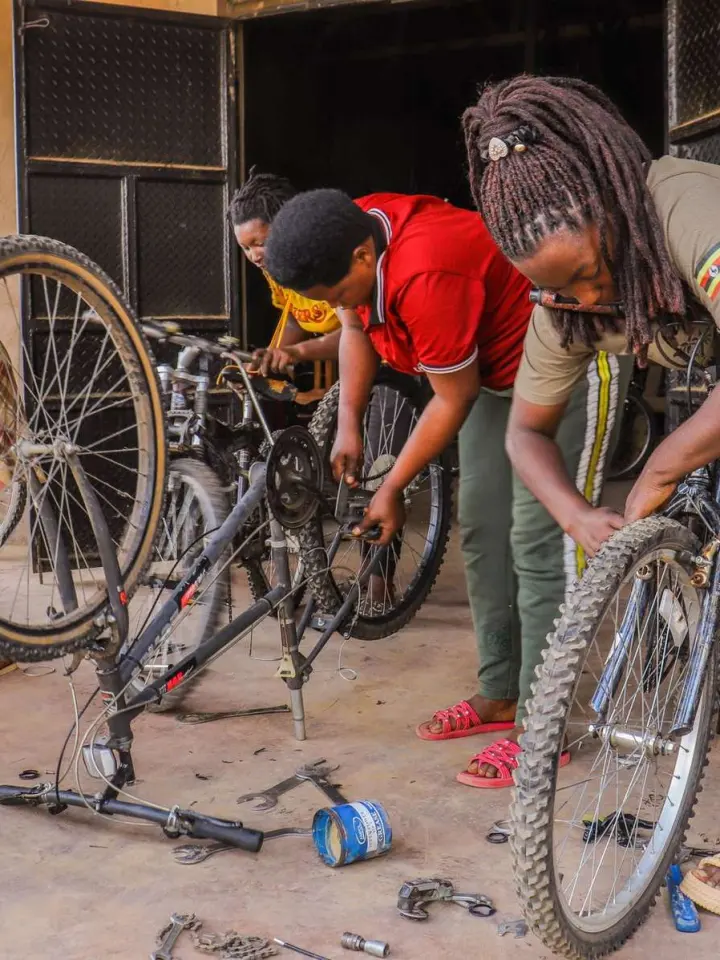
A bike that cannot be repaired soon stops being useful. World Bicycle Relief has trained more than 2300 local bicycle mechanics so users have reliable access to maintenance and spare parts, according to UCI.
Re-Cycle also supports partners with mechanic training, which it says keeps bicycles on the road for longer and creates opportunities for employment. It adds that bicycle sales through partners fund local community projects, including:
- Maintaining boreholes in Zambia
- Funding local healthcare in The Gambia
- Supporting child care in Malawi
An example: a city bike-share fleet finds a second life
On 28 February 2023, Brighton & Hove City Council announced that up to 380 former BTN BikeShare bikes were being donated to Re-Cycle. The council said the old fleet had covered more than four million miles since 2017, according to its news release.
The council described this as the second and final batch from the old fleet. It had earlier said around 100 bikes were going to Cycle of Good, which supports communities in Malawi, and that all branding would be removed and recycled.
What to weigh before you donate or give
A donated bike is only one piece of a programme. These points can help you judge a charity before you give:
- What it accepts: Re-Cycle says it collects quality bicycles, and the Bikes for the World site has separate pages for what it collects, drop-off locations and schedules. Check these before you set out.
- Who maintains the bikes: look for mechanic training and spare parts, which Re-Cycle says keep bicycles on the road longer.
- The wider picture: bikes also carry fuel from forests, and the Cycling UK feature says the government reports half a million hectares of forest is cut for fuel each year. A bike helps with transport, not with every problem around it.
If you are upgrading your own bike, the guide on how to choose a commuter bike may help you pick a replacement before you pass the old one on.
Frequently asked questions
Can I send my old bike overseas myself?
Show answer
The sources here describe charities sending bikes in shipping containers to local partners, not individuals posting single bikes. Check a charity’s own pages for what it accepts and where to take it.
Do recipients pay for the bikes?
Show answer
It varies by programme. Re-Cycle says bikes are distributed through partner programmes or sold, and sales through partners are reinvested into local community projects. World Bicycle Relief’s students earn ownership under a study-to-own agreement.
Which countries receive bikes?
Show answer
Re-Cycle’s partners include Ghana, The Gambia, South Africa and Zambia, per the council’s February 2023 announcement. The Bikes for the World impact page lists international programmes in Barbados, Burkina Faso, Costa Rica, El Salvador, Madagascar and Rwanda, among others.
How large can these programmes get?
Show answer
World Bicycle Relief delivered its 500,000th bicycle after being founded in 2005, and the UCI report says recipients live in 20 countries across Africa, Asia and Latin America.