Wondering how to get a bike without buying one? An earn a bike program swaps your time and effort for a refurbished bicycle. Most ask for workshop or community service hours, and the details vary by organisation.
This explainer is one part of the wider topic of social enterprise cycling, where bike projects pursue community goals alongside repairing bikes.
| Item | Value |
|---|---|
| Neighborhood Bike Works Earn-A-Bike age range | Ages 8 – 18 |
| Neighborhood Bike Works refundable deposit | $25 |
| Bikes Not Bombs Earn-A-Bike length | Approximately two weeks |
| Bikes Not Bombs Earn-A-Bike age range | Ages 12 to 18 |
These figures come from the Neighborhood Bike Works youth programs page and the Bikes Not Bombs Bike School page. Programs change their ages, schedules and fees, so check the source before you rely on them.
How an earn-a-bike program works
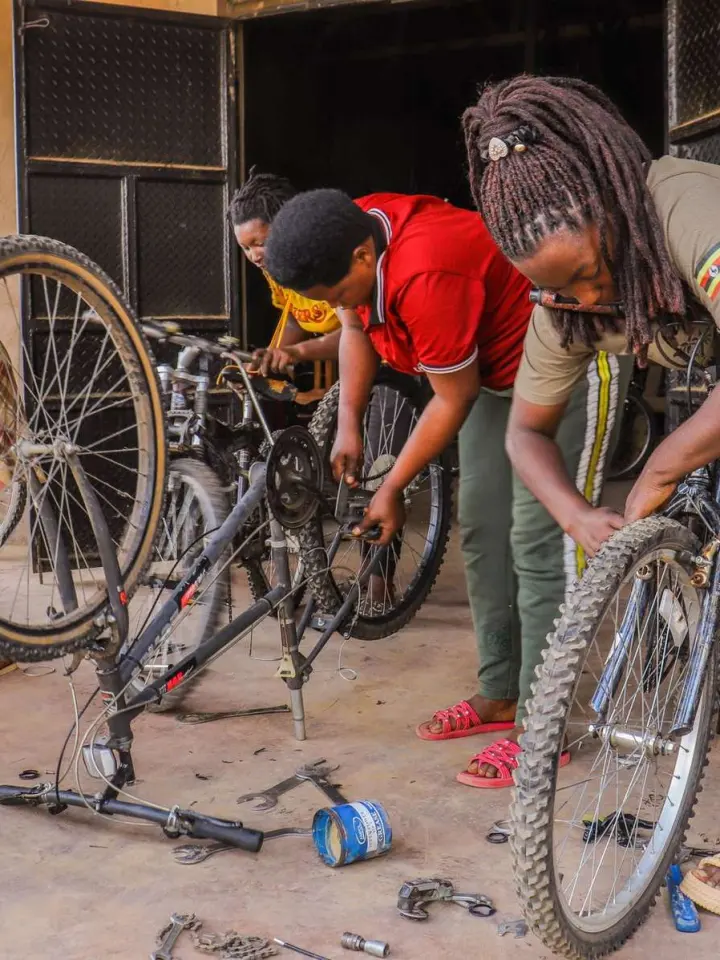
The basic deal is a hands-on exchange: you put in effort, and you finish with a bicycle to keep. At Neighborhood Bike Works in Philadelphia, youth learn the basics of repair and maintenance by fixing up a donated bike. At graduation they keep the bike they refurbished and can bring home a lock and helmet, according to the program’s youth page.
The repair work itself is a form of bicycle refurbishment, and the finished bike is the reward for doing it.
Many programs teach more than repair. The same Neighborhood Bike Works class includes lessons on safe urban riding, health and nutrition, per its youth programs page. Bikes Not Bombs adds that students learn to think critically about the systems that contribute to challenges they face every day, as described on its Bike School page.
Common ways to earn the bike
Programs tend to follow one of three models, and some blend them.
- Class-based: a fixed course with a start and end, such as the 8-week after-school program at Bike Works in Seattle or the approximately two-week course at Bikes Not Bombs in Boston.
- Service hours: volunteering for a cause, such as the 10 hours of community service described in a Spectrum News report on Wheels for Winners in Madison.
- Work-trade credit: hours in a shop that convert to credit, as in the BICAS listing on a Pima County Attorney’s Office resource page.
Which model fits depends on your schedule. A class asks for a block of set times, while service hours and shop credit can often be spread out.
Models can also overlap. Bike Works describes drop-in sessions where youth are rewarded for hard work by earning bikes and parts as they log more hours, as stated on its youth programs page.
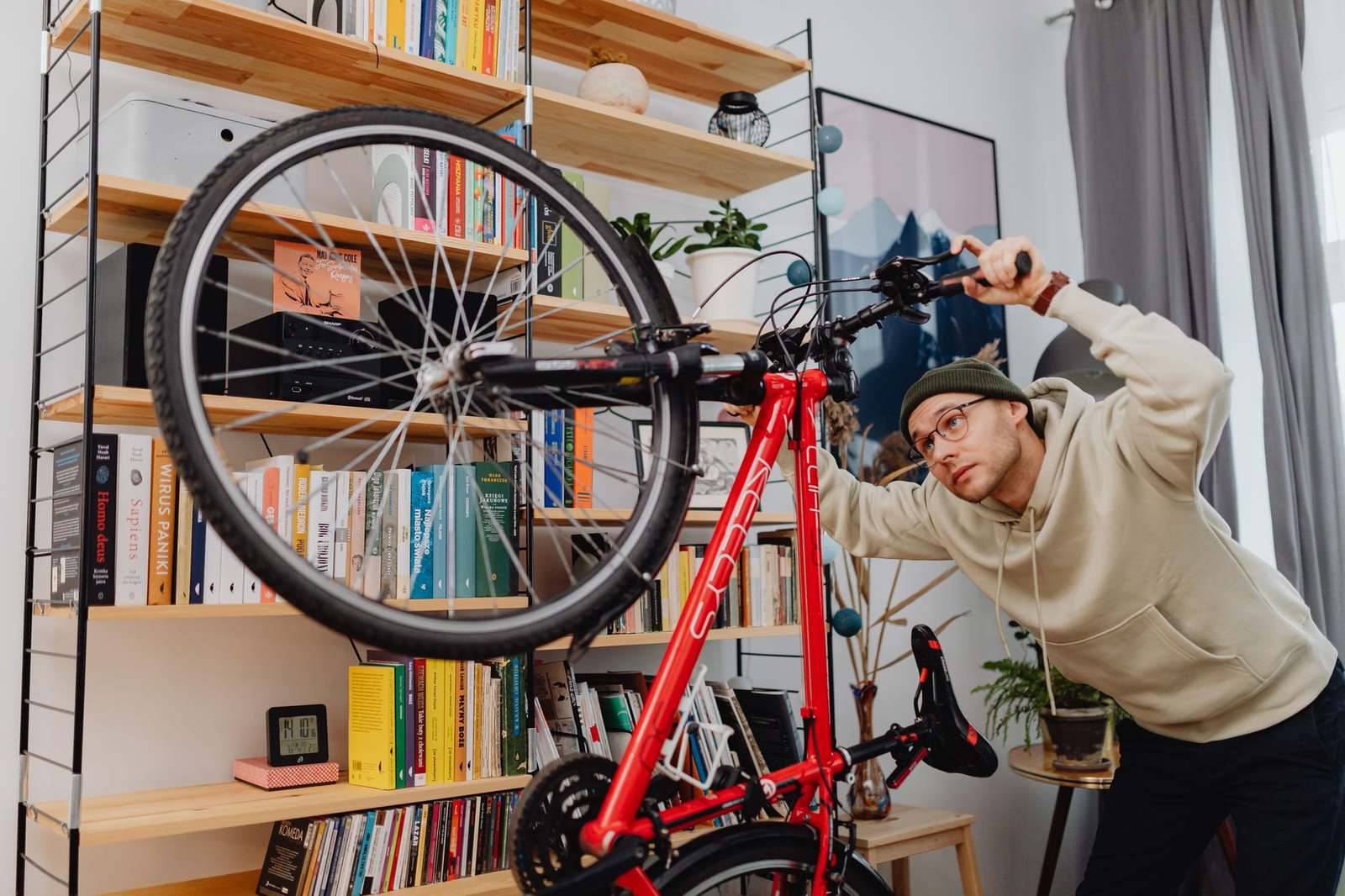
Class-based programs in detail
Bike Works describes Earn-a-Bike as an 8-week after-school program where young people learn to fix bikes slotted for its giveaway program, earn community service hours and ultimately earn a bike. The same page says the program is supported with funding from Washington’s Climate Commitment Act. For volunteers, it adds that youth earn the bike they worked on at the end of the program.
Bikes Not Bombs runs a much shorter course. Its Bike School page says the Earn-A-Bike program brings young people together for approximately two weeks to learn basic mechanics and safe urban riding, and to earn a bike of their own. It is for ages 12 to 18, and its August session listing adds Mobility Justice 101 content.
Adults can take part on the teaching side. The same page describes a Certified Mechanics Mentors program for volunteers aged 18 or older, with 24 hours of instructor training in exchange for 24 hours of service in Earn-A-Bike sessions.
Bikes Not Bombs also states on its Bike School page that it was founded in 1984. Its navigation lists international partnerships and international shipping, a related topic covered in bicycles for development.
Service-hour and work-trade models
Wheels for Winners in Madison offers a simple version. In a report published March 19, 2024, Spectrum News said people can earn a bike by doing 10 hours of community service, and can volunteer for any organization or program that serves Madison. Each recipient is given a bike lock and a new helmet.
The same report quotes the group’s chairman saying it turns out about 400 bikes a year but takes in probably 750. The remaining bikes are dismantled for parts or donated to other partners, per Spectrum News.
A May 22, 2020 Clemson News story showed how flexible the idea can be. When in-person sessions stopped during the pandemic, students in the Momentum Bike Clubs mentoring program were required to do at least six hours of work to earn a bicycle, and parents signed off on the tasks. A program staff member said that just giving someone a bike means they won’t really take ownership of it.
Trail work can count too. A 2019 announcement from Sierra Buttes Trail Stewardship said participants agreed to volunteer at least 10 times (60-80 hours) to earn a mountain bike. That program was open to Jr/Sr High School students in Sierra County and Plumas County.
BICAS shows the work-trade approach. A listing posted January 29, 2024 on the Pima County Attorney’s Office resource site says 1 hour of work-trade equals $16 in shop credit, capping at $300, and that no bicycle knowledge is required. It also says youth under 13 must be accompanied by an adult.
Who can join and what does it cost?
Eligibility differs a lot. Neighborhood Bike Works lists ages 8 – 18, Bikes Not Bombs lists ages 12 to 18, and the BICAS listing allows all ages, per the Neighborhood Bike Works, Bikes Not Bombs and BICAS pages.
On cost, Neighborhood Bike Works says its classes are free but asks for a $25 deposit that is refunded when the student completes the class. Other programs charge in hours rather than money.
Before you apply, check these points:
- The age range and whether the program takes beginners.
- How long the commitment lasts and when sessions run.
- Whether hours, a deposit or both are required.
- Whether you keep the bike you repaired or choose one afterwards.
On that last point, the Spectrum News report says Wheels for Winners participants come select a bike from the hundreds in the garage after their service, as noted by Spectrum News.
Frequently asked questions
Do I need bike experience to join?
Show answer
Not always. The BICAS listing says no bicycle knowledge is required, according to the Pima County Attorney’s Office resource page, and Neighborhood Bike Works teaches the basics of repair in its class.
Do I keep the bike I work on?
Show answer
Often yes. Neighborhood Bike Works says graduates keep the bike they refurbished, and Bikes Not Bombs says students earn a bike of their own, per the Neighborhood Bike Works and Bikes Not Bombs pages.
How long does it take?
Show answer
It ranges from a few hours to a couple of months. Examples include approximately two weeks at Bikes Not Bombs, 8 weeks at Bike Works and 10 hours of service at Wheels for Winners, per Spectrum News.
Can adults take part?
Show answer
Some programs accept adults. The BICAS listing allows all ages, with youth under 13 accompanied by an adult, per the Pima County Attorney’s Office resource page. Others focus on youth, so check each program’s age range.
Can I keep earning after I get my first bike?
Show answer
At some programs, yes. Neighborhood Bike Works says graduates can continue to work in the shop, earning hours they can trade for more bikes, parts and accessories, as stated on its youth programs page.