Facing too many options? Here is how to choose a commuter bike: match it to your route, with an upright frame, gears for your hills, a size you can stand over, and mounts for fenders and lights.
This guide sits within our wider coverage of social enterprise cycling, which looks at how bikes are shared, repaired and used in communities.
| Item | Value |
|---|---|
| Short, flat commute | Under 3 miles: single-speed or 3-speed |
| Steep hills | 7+ speeds |
| Long, hilly commute | 8+ miles: 18-24 speeds or a pedal-assist e-bike |
| Tyre width for rough city streets | 35-42mm |
| Frame clearance for full fenders | Minimum 10mm between tyre and frame |
| Reach compared with a road bike | 15-25mm shorter |
These figures come from retailer guides: Brooklyn Bicycle Co.’s decision guide and BikeSize’s commuter guide. They are rules of thumb that can change, so check the source before you rely on them.
What makes a bike a commuter bike?
A commuter bike is an everyday transport tool, not a speed machine. A bike maker’s buying guide describes it as built for comfort, reliability and practicality rather than being streamlined for speed.
The features that set it apart are easy to spot:
- An upright riding position, which the same guide says reduces strain on your back and neck.
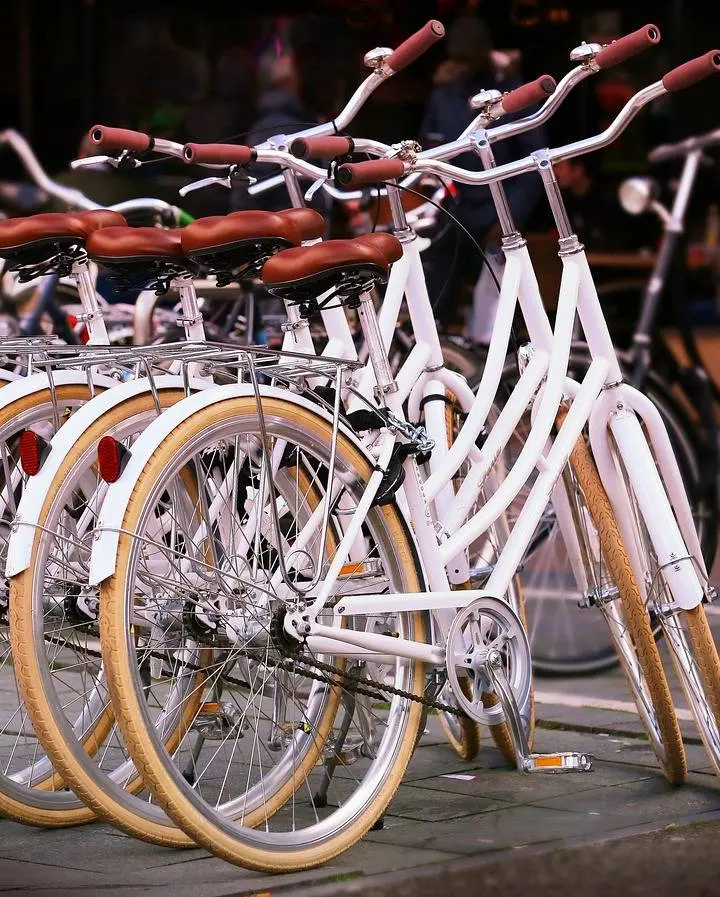
- Practical extras such as lights, fenders and racks, often fitted from the start.
- Durable parts that can handle year-round riding in all weather.
- Low-maintenance components, such as belt drives and internally geared hubs.
Before you look at any model, think about your own ride. As Brooklyn Bicycle Co.’s guide puts it, the best commuter bike is one that fits your life, not the other way around.
Three quick questions get you most of the way:
- How far and how hilly is your route?
- What do you carry, and what do you wear?
- Where will the bike be stored, and who will look after it?
Frame material, style and geometry
For most commuters, aluminium is the sensible frame material. The Canyon guide calls it the go-to choice for most commuter bikes, mainly because it balances weight, durability and value.
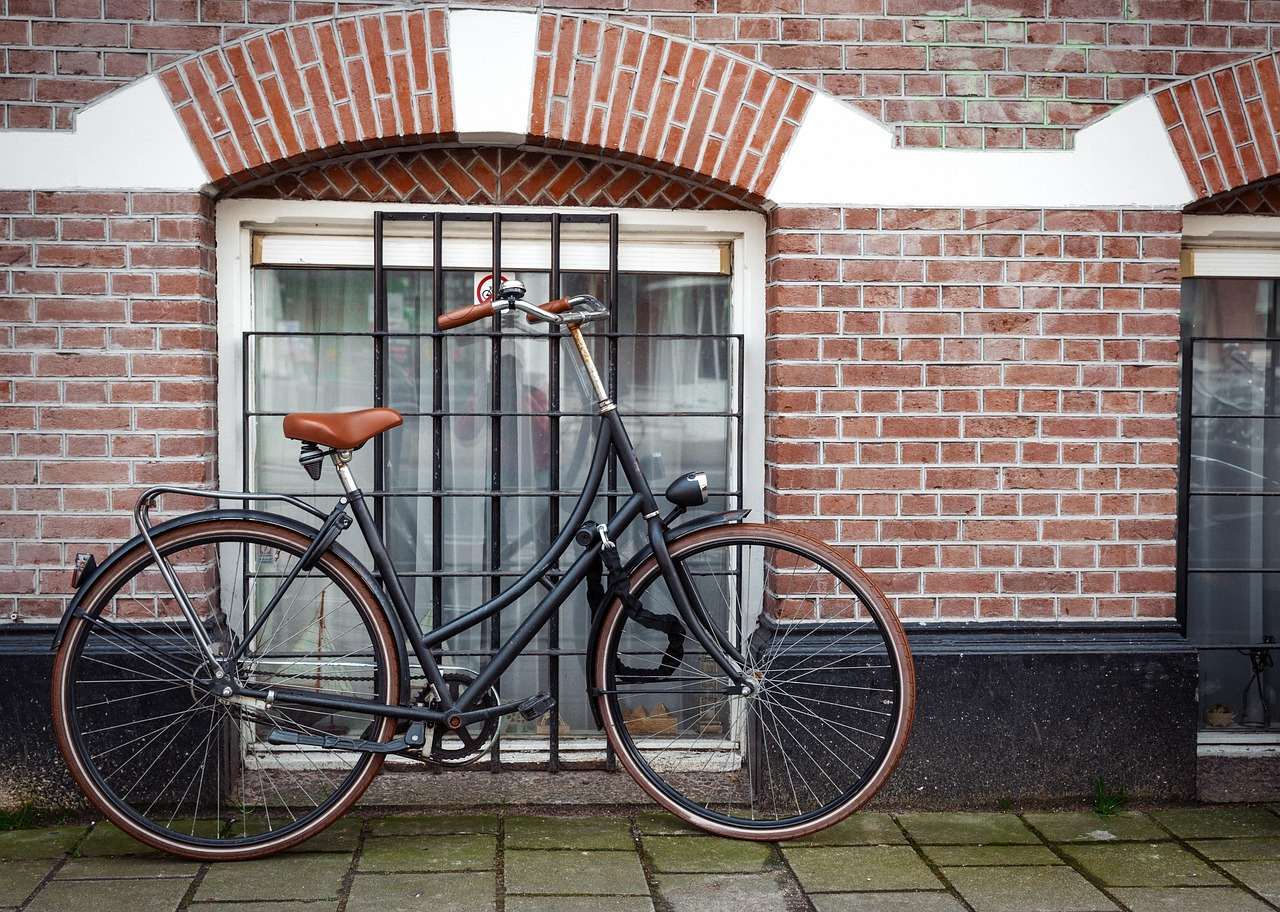
Frame style matters more for daily comfort than most buyers expect. Brooklyn Bicycle Co. splits city bikes into diamond frames, which are lighter and stiffer, and step-through frames, which are easier to mount and dismount.
If you ride in work clothes or carry heavy cargo, the same guide calls a step-through a lifesaver for stability. If you want the lightest, stiffest option and do not mind swinging a leg over, a diamond frame suits you.
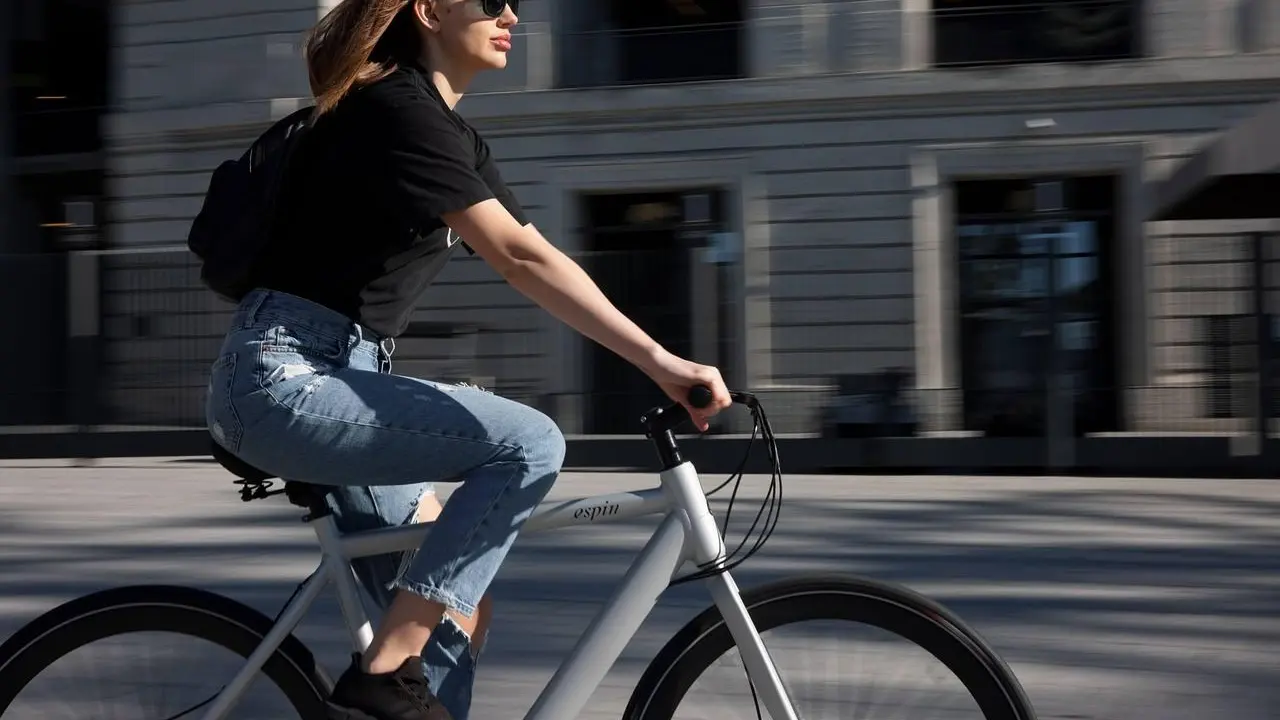
Geometry decides how the bike feels on a long ride. BikeSize suggests flat or riser handlebars that keep your eyes at car-window height, with a reach 15-25mm shorter than a comparable road bike. That puts you where you can see traffic and be seen.
Gears and drivetrain for your route
Your terrain should set your gearing, not the spec sheet. Brooklyn Bicycle Co.’s decision guide gives a simple split:
- Flat city or a commute under 3 miles: a single-speed or 3-speed works well (source).
- Steep hills: prioritise a wider range of 7+ speeds so you are not grinding uphill or spinning out downhill (source).
- Long and hilly, 8+ miles: an 18-24 speed commuter or a pedal-assist e-bike makes the trip more enjoyable (source).
Then choose how the power reaches the wheel. A belt drive needs no lubrication, does not rust and has longer service intervals, according to Brooklyn Bicycle Co.’s buyer’s guide. It also costs more and is harder to fix on the road.
A chain drive gives a wider gear range for hills and distance, costs less and can be repaired at any bike shop, per the same guide. It needs occasional cleaning and lubrication. Sealed internal gear hubs sit between the two, since the Canyon guide lists them as a low-maintenance option.
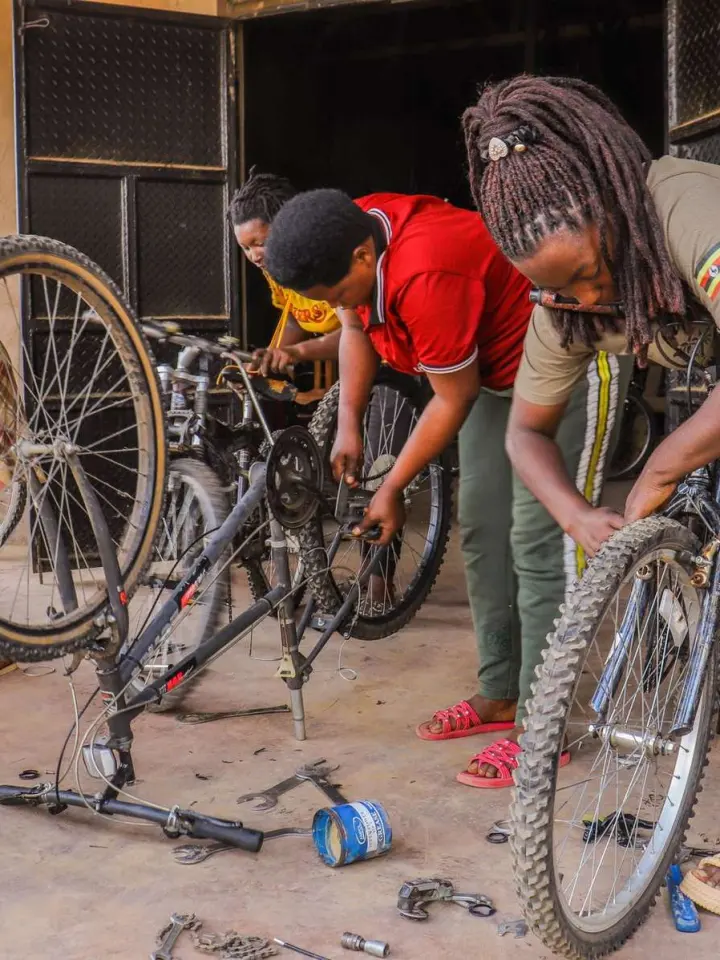
Durability and easy repair are priorities well beyond city streets, and they run through the topic of bicycles for development too.
Getting the size and fit right
A bike that is too big or too small makes every ride awkward. Brooklyn Bicycle Co. says to aim for a frame that gives full leg extension when pedalling and lets you comfortably put a foot down at stops.
Measure your inseam from the ground to your crotch while standing, as BikeSize describes it. Treat any chart result as a starting range, not a final fit, and verify the exact model before buying.
When two sizes look close, check both for standover, saddle range, cockpit reach and brake access. If you carry panniers or a backpack, test the bike loaded, because added weight changes handling (BikeSize).
Tyres are part of fit too. BikeSize suggests slightly wider tyres of 35-42mm for pothole absorption and wet-weather grip.
Accessories, brakes and upkeep
A commuter bike earns its keep through what it can carry and how well it copes with rain. Check that the frame accepts fenders, with at least 10mm between tyre and frame, which BikeSize calls essential for year-round commuting.
For the basics, Retrospec’s guide lists lights, a bell, a lock and possibly a rack or pannier bag. It adds that with proper layers, fenders and lighting, bike commuting can be a year-round option.
The same BikeSize guide lists disc brakes as essential for reliable stopping in all weather. Treat that as one editorial view and test the brakes on any bike you are considering.
Plan the upkeep before you buy. Brooklyn Bicycle Co. recommends having a bike shop in mind, since professional assembly checks the brakes, wheels and gears. It also suggests a quick check after the first month and annual maintenance.
Between those visits, a basic bike maintenance checklist keeps tyres, brakes and chain in working order.
Frequently asked questions
Do I need gears for city commuting?
Show answer
It depends on your terrain. Brooklyn Bicycle Co. says a single-speed or 3-speed works for flat cities or commutes under 3 miles, while steep hills call for 7+ speeds.
Is a step-through frame better for commuting?
Show answer
It is easier to mount and dismount, which helps if you ride in everyday clothes or carry heavy loads. A diamond frame is lighter and stiffer, so the better choice depends on how you ride.
What accessories does a commuter bike need?
Show answer
At minimum, Retrospec lists lights, a bell and a lock, and possibly a rack or pannier bag. Fenders are worth adding for wet weather.
Can I commute by bike all year?
Show answer
Yes, with the right setup. Retrospec says proper layers, fenders and lighting make year-round bike commuting possible.