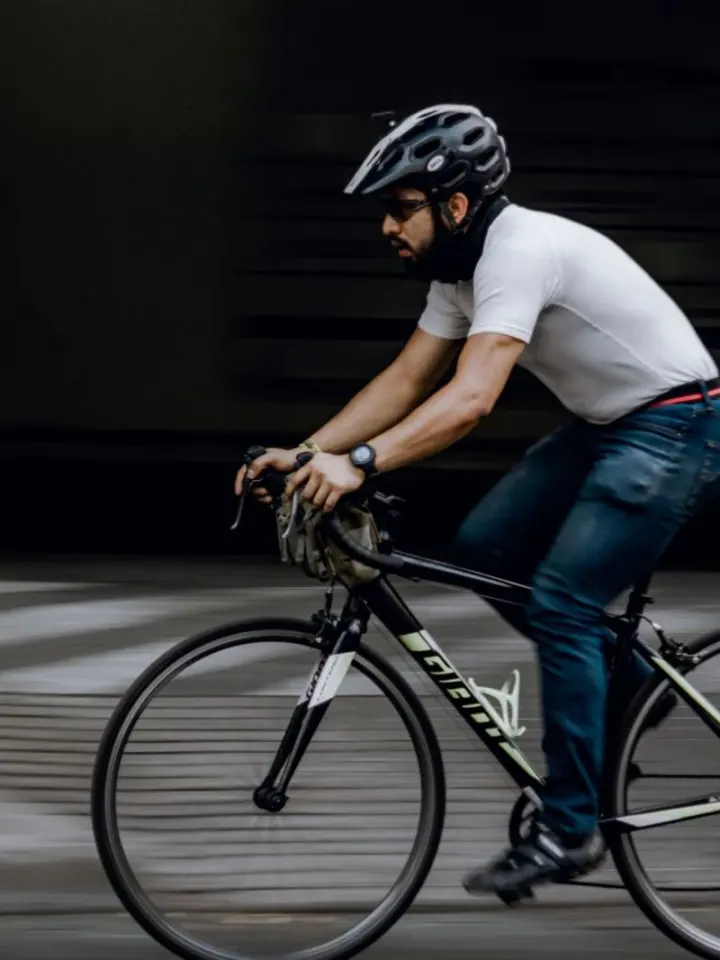
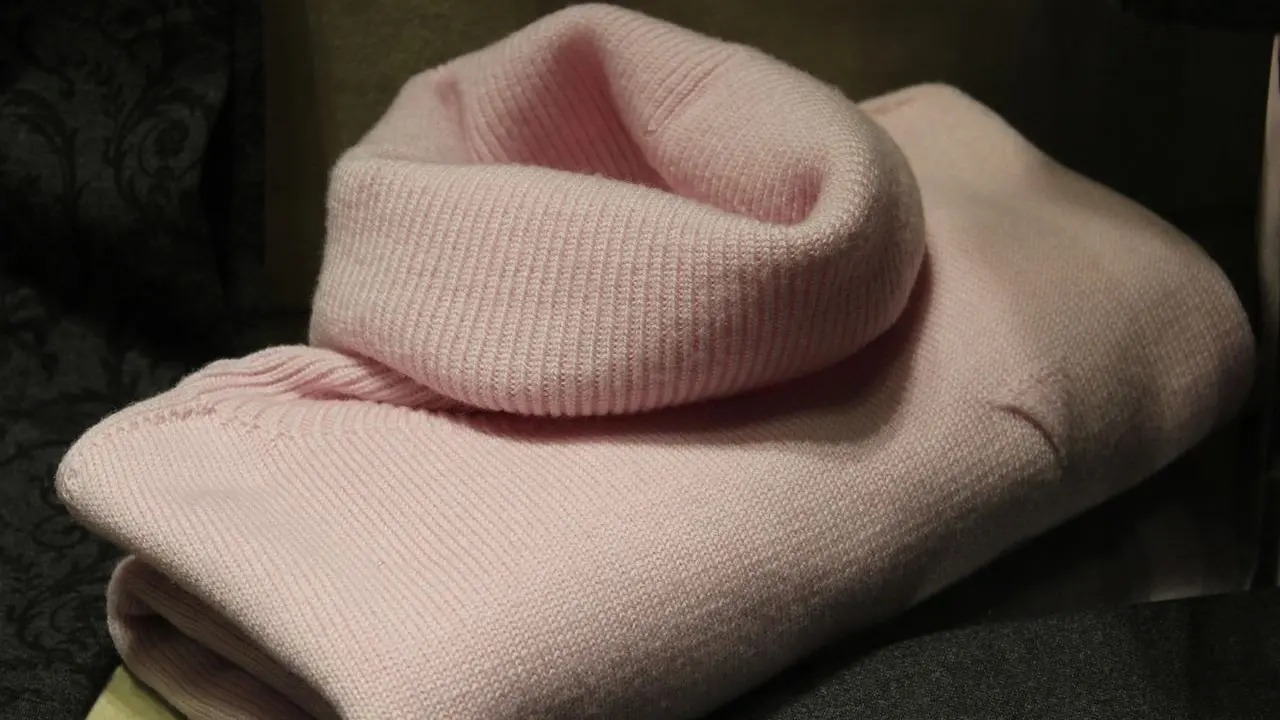
Wondering whether merino wool cycling clothing suits stop-start rides? A wool-industry-funded study points to yes for base layers: wool stayed comfortable through effort and rest, while other fibres did not.
This guide sits within our wider look at sustainable cycling clothing, so it focuses on how one fibre performs rather than on a full buying plan.
| Item | Value |
|---|---|
| Research lead | North Carolina State University |
| Length of research program | Four years |
| Moisture buffering, wool vs polyester | 96% better |
| Moisture buffering, wool vs cotton | 45% better |
| Moisture buffering, wool vs viscose | 26% better |
| Moisture vapour absorbed by merino | Up to one third of its weight |
These figures come from the Australian Wool Innovation announcement and Textile World’s report of September 2, 2025. Figures can change as research is updated, so check the sources before you rely on them.
What the NC State research tested
A four-year research program led by North Carolina State University concluded that 100% merino wool base-layer garments gave better thermal comfort in stop-go sports. The sports named were cycling, rock climbing, hiking and golf, according to the wool.com announcement.
The work was not independent of the wool industry. Australian Wool Innovation commissioned the project, as the same page states.
That page also quotes the organisation’s chief executive, John Roberts, saying the research will be important in efforts to drive more sales. Read the headline claims with that in mind. The page does link to peer-reviewed papers, which you can open and judge for yourself.
How a merino base layer handles sweat and chill
The researchers call the effect dynamic breathability: how well a garment manages heat and moisture while you work hard, then preserves warmth when you slow or stop. For cycling that means climbs followed by descents, or a café stop halfway through a ride.
The reported mechanism is a dual structure. Merino is described as hydrophobic outside and hydrophilic inside, and it absorbs up to one third of its weight in moisture vapour without feeling wet, as the wool.com page explains.
Textile World’s September 2025 coverage adds that the body works to hold a skin temperature of 35°C during stop-go sports. The claim is that less work is needed in wool, because the microclimate between garment and skin stays steadier.
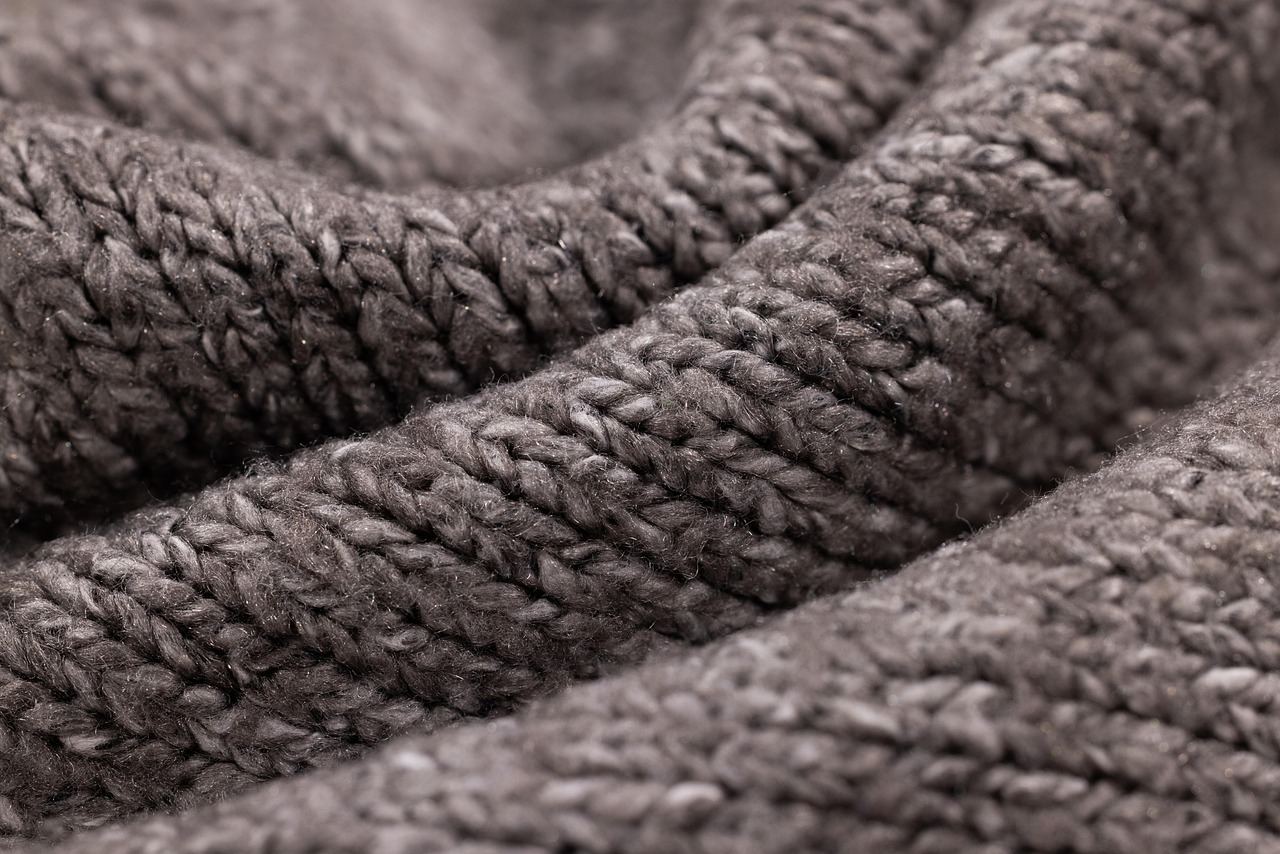
Does merino beat polyester, cotton and viscose?
In the research, wool showed 96% better moisture buffering than polyester, 45% better than cotton and 26% better than viscose, according to the Australian Wool Innovation announcement.
The detail behind those numbers matters more than the numbers themselves:
- During the activity phase, all fibres performed similarly in the climate-controlled chamber trials.
- Only wool performed well across both the activity and rest phases.
- The gap showed up in after-chill, the drop in body temperature athletes often experience during resting phases.
So the advantage is about transitions, not about riding hard. If your rides are steady and constant, the case for wool is weaker on this evidence.
What riders report about odour and washing
Lab results are one thing; daily use is another. A review dated 05 Jan 2016 on the Alpkit blog describes a SingleTrack magazine writer testing the Alpkit Kepler merino base layer, which is 100% merino wool from New Zealand.
It is a single product and a retailer-hosted post, so treat it as anecdote. Still, her notes line up with what riders often want from a base layer:
- Warmth without overheating, and suitability for layering.
- The fabric even dries while being worn.
- It resisted odour after multiple uses, so it could be worn several times between washes.
- Following the washing instructions, it neither shrank nor pilled.
Care still matters as much as fabric. Our guide on how to wash cycling clothes covers general routines, and the care label on your garment always comes first.
Where the evidence on merino wool stops
The sources support a narrow claim, so it helps to be clear about what they do not show. Here are the main limits:
- The research was commissioned by a wool industry body, and its own page frames the results as a sales opportunity.
- The findings concern 100% merino base layers, not jerseys, blends or outer layers.
- The one rider review, dated 05 Jan 2016 on the Alpkit blog, covers a single garment.
- Sustainability is asserted, not measured: the page says merino can reduce the need for synthetic blends “without compromising sustainability” but gives no figures, per the wool.com announcement.
If environmental impact is your main concern, compare fibres on their own evidence rather than assuming one wins. A recycled polyester cycling jersey is the obvious alternative to weigh against wool.
Frequently asked questions
Is merino wool better than polyester for cycling?
Show answer
On the evidence here, wool did better at moisture buffering, with 96% better results than polyester in the research reported by wool.com. Fibres performed similarly while riders were active, so the benefit appears during rest and transitions. The research was commissioned by the wool industry.
What is after-chill?
Show answer
It is the drop in body temperature athletes often experience during resting phases, as defined in the research summary. It is the cold, clammy feeling after you stop pedalling in damp kit.
Does merino really resist odour?
Show answer
One reviewer reported that a merino base layer resisted odour after multiple uses, in a post dated 05 Jan 2016 on the Alpkit blog. That is a single-garment anecdote, not a controlled test.
Does the research cover jerseys or only base layers?
Show answer
The announcement refers to 100% merino wool base-layer garments, according to wool.com. It does not say the results apply to jerseys or blended fabrics.