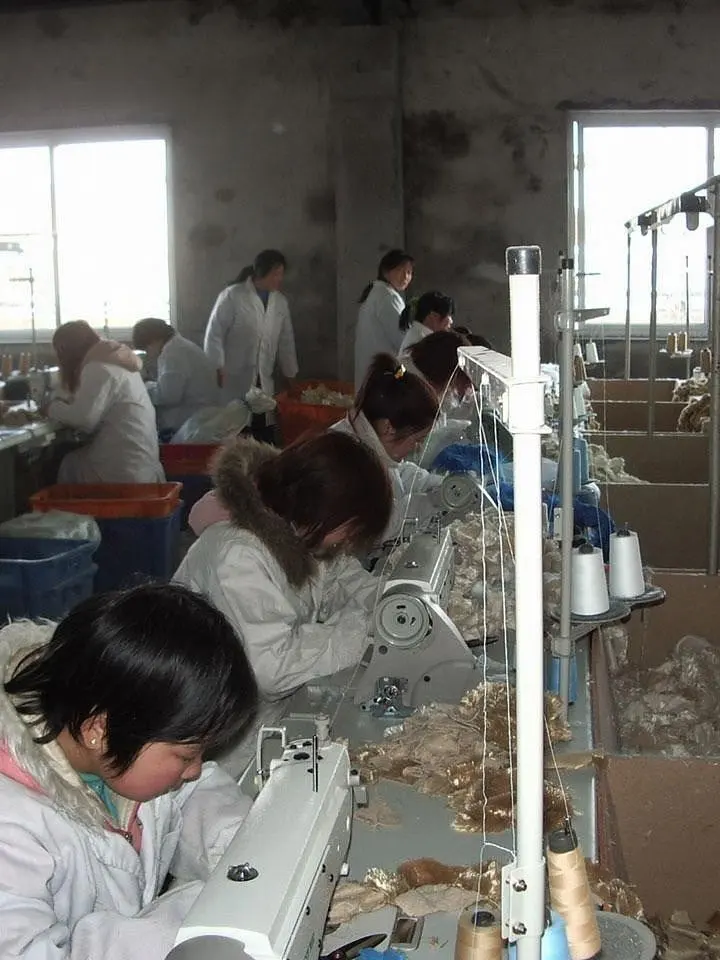

Wondering whether a recycled polyester cycling jersey is the green choice? It trims virgin fossil feedstock, but one lab study found it can shed more microplastics in the wash, so the honest answer is mixed.
This page sits inside the wider topic of sustainable cycling clothing and looks only at the recycled polyester question.
| Item | Value |
|---|---|
| Extra microplastic particles shed by recycled versus virgin polyester when washed | 55% more, on average |
| Size of particles shed by recycled fabric | Nearly 20% smaller |
| Fibres released in a single wash cycle | Up to 900,000 |
| Highest recycled polyester shedding in the study (one brand) | Over 30,000 fibres per gram of fabric |
| Share of recycled polyester processed by textile-to-textile systems | Around 2% |
The table draws on Anadolu Agency and The Ecologist, which both report a Changing Markets Foundation study of recycled polyester shedding. Figures can change as new research appears, so check the sources before you rely on them.
What a recycled polyester label actually tells you
More than 100 global fashion brands promote recycled polyester, typically sourced from waste plastic bottles, according to Recycling International. The same report says Adidas, H&M, Puma and Patagonia had already converted most of their polyester use to recycled material.
A “recycled” label is a claim about material origin. An analysis by Earth Action points out that it says where the fibre came from and nothing about how many microfibres the garment releases each time it is washed.
For a jersey, that gap matters. The label can be true and still leave your main question about washing unanswered.
What the December 2025 shedding study found
The research was commissioned by the Changing Markets Foundation and conducted by the microplastics research group at Cukurova University in Türkiye, as Anadolu Agency reports. It compared recycled and virgin polyester garments during washing. The headline results were:
- Recycled polyester garments released 55% more microplastic particles than virgin polyester, and the particles were nearly 20% smaller (Anadolu Agency).
- A single wash cycle can release up to 900,000 microplastic fibres (Anadolu Agency).
- One brand’s recycled polyester shed over 30,000 fibres per gram of clothing on average, nearly four times another brand’s average and over seven times a third’s (The Ecologist).
- Another brand’s recycled and virgin polyester shed at around the same rate, which fed suspicion about supply-chain labelling (The Ecologist).
Recycled polyester is typically weaker and more brittle than virgin polyester, which is the usual explanation offered. The study itself did not directly measure fibre strength, according to Anadolu Agency.
Earth Action describes the same work as 51 commercial garments from five major brands, with recycled polyester shedding 55% more microfibres by particle count.
Do the studies agree?
No. Earth Action’s review calls the evidence contested and says the studies conflict, partly for real reasons and partly because of test methods. Four pieces of research show the spread:
- A 2021 Çukurova University study found recycled polyester knit fabrics shed around 2.3 times more than virgin polyester by weight.
- The Microfibre Consortium’s 2023 work on 251 fabrics, tested as isolated swatches, found no statistically significant difference.
- A 2024 paper in Environmental Pollution found higher shedding from recycled polyester under household washing conditions.
- The December 2025 garment study found 55% more particles by count.
A Puma spokesperson told The Ecologist that the company’s own tests show recycled polyester does not consistently shed more or less than virgin polyester.
The one thing Earth Action says no study has found is that recycled polyester reliably sheds less.
Limits when you apply this to a jersey
The study tested T-shirts, tops, dresses and shorts from five brands. It did not test cycling jerseys, and its authors describe the results as only an indication because the sample of garments was relatively small, per The Ecologist.
Fabric construction matters at least as much as the feedstock. Earth Action notes that shedding is driven by yarn type, fibre length, weave structure and finishing treatments, so a tightly woven virgin polyester fabric may shed dramatically less than a loosely knitted recycled one, and vice versa.
Measurement is a second limit. Most research reports shedding by weight, in milligrams per kilogram of fabric, yet a fabric releasing more, finer particles can look similar or lower by mass because smaller particles weigh less, according to Earth Action.
Labelling is a third. The foundation said polyester fraud, in which garments labelled as recycled may actually be made from virgin plastic, is common, as Anadolu Agency reports.
Where recycled polyester still helps, and where it falls short
On the material side, Earth Action says recycled polyester still reduces dependence on virgin fossil feedstock and diverts plastic that would otherwise go to landfill or worse. That value is real, even if the washing question remains open.
At system level the picture is weaker. Textile-to-textile recycling handles around 2% of recycled polyester, according to The Ecologist, and the same report says fashion’s growing use of virgin polyester meant the recycled share fell the year before.
Bottles are the other issue. Recycling International notes that diverting plastic bottles into clothing has created competition with the drinks sector, which can recycle bottles multiple times.
The foundation’s campaign manager argues that real solutions mean slowing and phasing out synthetic fibre production. That is an advocacy position, and it sits beside the more cautious reading that recycled content alone does not predict shedding.
How to choose a jersey with this evidence in mind
- Read “recycled” as a statement about origin, not as a promise of low shedding.
- Look for test data on that specific fabric construction. Earth Action says the credible question is how the product was designed and what the data shows.
- Treat unverified recycled claims with some caution, given the fraud concern raised in the study coverage.
- Consider buying fewer, longer-lived pieces. Ethos reads the findings as pointing to choosing less rather than simply choosing differently.
If you want to compare another fibre, the guide to merino wool cycling clothing covers that option. Some riders also weigh who made the kit, and the overview of a social enterprise clothing brand looks at that angle.
Frequently asked questions
Does a recycled polyester cycling jersey shed more microplastics than a virgin one?
Show answer
It may, but the evidence conflicts. The December 2025 garment study found 55% more particles, while The Microfibre Consortium’s 2023 swatch tests found no significant difference, as summarised by Earth Action.
Is recycled polyester still better than virgin for the planet?
Show answer
On material origin it reduces reliance on virgin fossil feedstock, per Earth Action. Whether that outweighs possible extra shedding is not settled by the research in this guide.
Were cycling jerseys part of the study?
Show answer
No. The tested items were T-shirts, tops, dresses and shorts from five brands, according to The Ecologist, so jersey results are an inference.
Can you trust a recycled label?
Show answer
Not blindly. The Changing Markets Foundation said polyester fraud, where garments labelled recycled may be made from virgin plastic, is common, as reported by Anadolu Agency.